Custom Baby Blanket Manufacturer:
The Complete OEM & ODM Guide for B2B Buyers (2026)
The Complete Guide to Choosing a Custom Baby Blanket Manufacturer in 2026
Table of Contents
Quick Answer
A custom baby blanket manufacturer is a specialized textile producer that designs and manufactures personalized baby blankets for brands, retailers, distributors, and private-label businesses. The right manufacturing partner should offer flexible OEM/ODM services, certified materials, strict quality control, scalable production capacity, and reliable international logistics to help brands launch safe, high-quality baby products efficiently.
Introduction
The global baby products market continues to expand as parents place greater emphasis on safety, comfort, sustainability, and personalized designs. For retailers, wholesalers, e-commerce brands, and baby product companies, finding a reliable custom baby blanket manufacturer has become more than simply comparing prices—it is a strategic decision that directly influences product quality, brand reputation, customer satisfaction, and long-term profitability.
Whether you are developing a new baby brand, expanding an existing nursery collection, or sourcing products for large retail chains, selecting the right manufacturing partner requires a comprehensive understanding of textile materials, safety certifications, production capabilities, customization options, and supply chain management.
This guide is designed specifically for international B2B buyers. It explains every stage of the sourcing process, from selecting fabrics and printing techniques to evaluating factory capabilities and managing quality inspections. By the end of this guide, you will have a practical framework for identifying a manufacturer that aligns with your quality standards, business goals, and market requirements.
Who Should Read This Guide?
This guide is intended for:
- Baby product brands launching private-label collections
- Children’s textile importers and distributors
- E-commerce sellers on Amazon, Walmart, Shopify, and other marketplaces
- Retail purchasing managers
- Nursery and home textile wholesalers
- OEM and ODM sourcing teams
- Procurement managers seeking long-term manufacturing partners
Regardless of your sourcing experience, understanding how manufacturers operate will help reduce risks, improve product consistency, and create stronger supplier relationships.
1. Why Choosing the Right Manufacturer Matters
A custom baby blanket manufacturer specializes in producing blankets designed specifically for infants and young children according to a client’s unique requirements.
Unlike wholesalers who sell ready-made inventory, manufacturers develop products based on customer specifications, including:
- Blanket dimensions
- Fabric composition
- GSM (fabric weight)
- Printing methods
- Embroidery
- Brand labels
- Packaging
- Color matching
- Safety requirements
- Market-specific compliance
Depending on the project, manufacturers generally provide two service models:
OEM Manufacturing
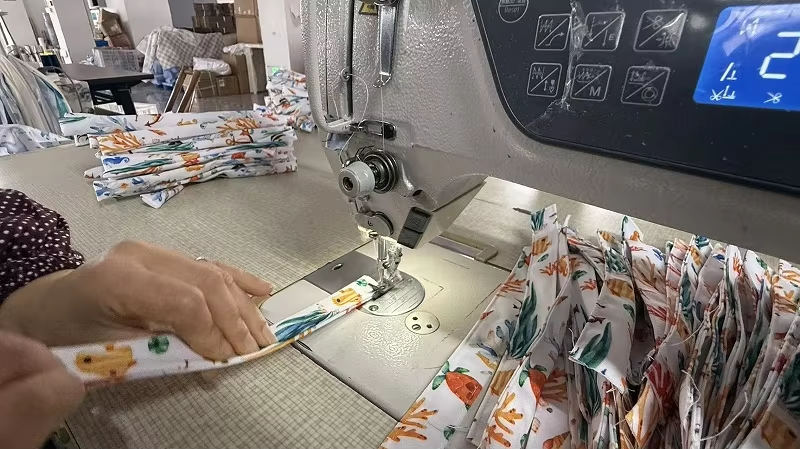
OEM (Original Equipment Manufacturing) allows brands to supply their own product designs while the factory handles production according to exact specifications.
This model is ideal for companies with established product concepts and brand identities.
ODM Manufacturing
ODM (Original Design Manufacturing) enables manufacturers to provide existing product designs that buyers can customize with their own branding, colors, packaging, and labels.
ODM is particularly suitable for startups seeking faster product launches with lower development costs.
2. What Types of Custom Baby Blankets Can Manufacturers Produce?
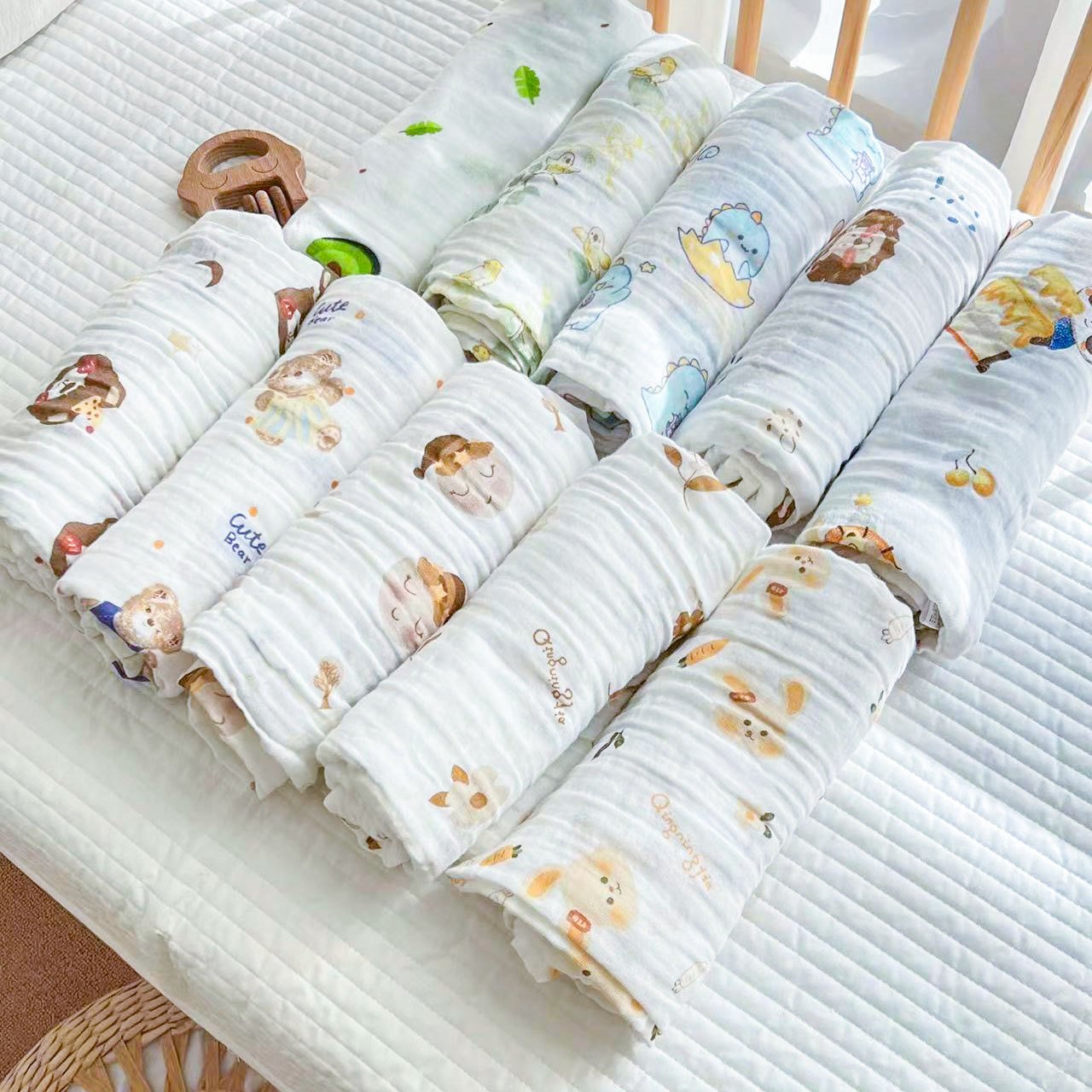
Swaddle Blankets
Swaddle blankets are specifically designed to wrap newborns securely, helping reduce the startle reflex and promote better sleep.
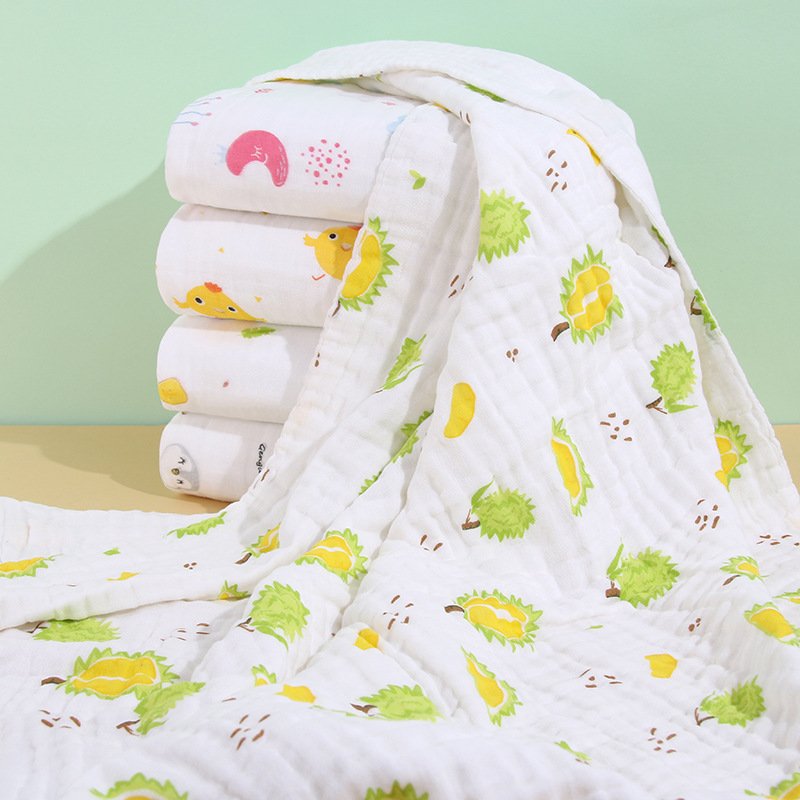
Muslin Baby Blankets
Muslin blankets are among the most popular premium baby products worldwide. widely used in North America, Europe, Australia, and the Middle East.
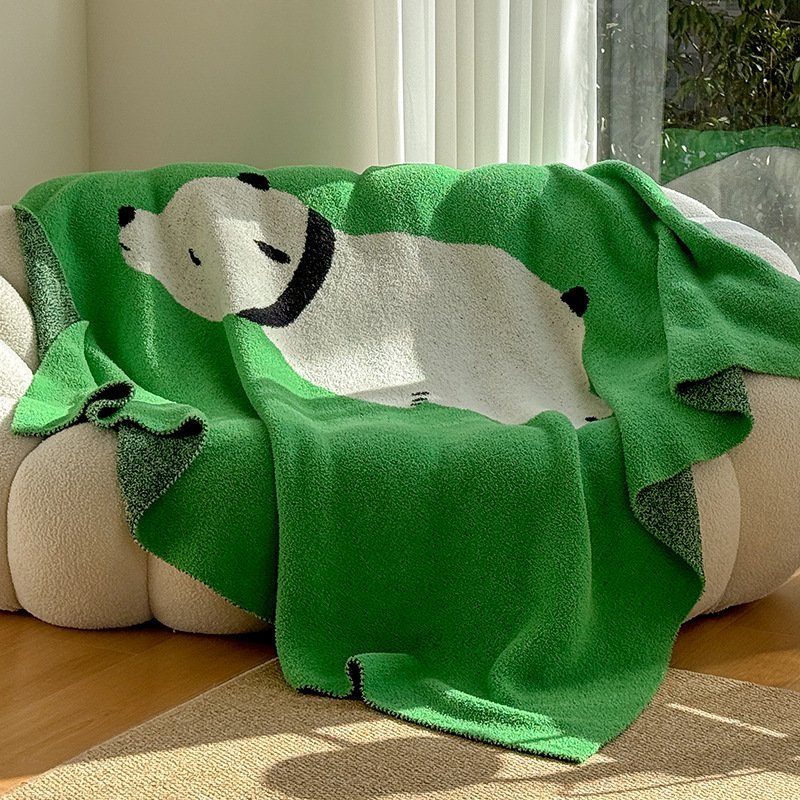
Knitted Baby Blankets
Knitted blankets provide premium appearance. Manufacturers can produce knitted blankets using various yarns, knitting patterns, and decorative borders.
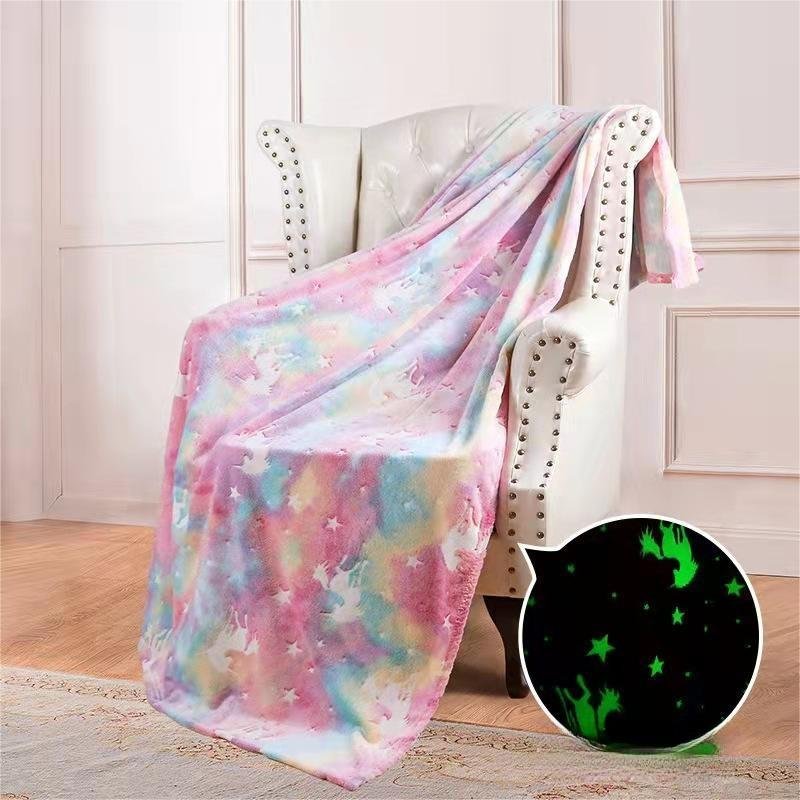
Coral Fleece Blankets
Coral fleece blankets are known for their plush texture and excellent heat retention. They offer a luxurious feel while remaining lightweight, making them popular in colder regions.
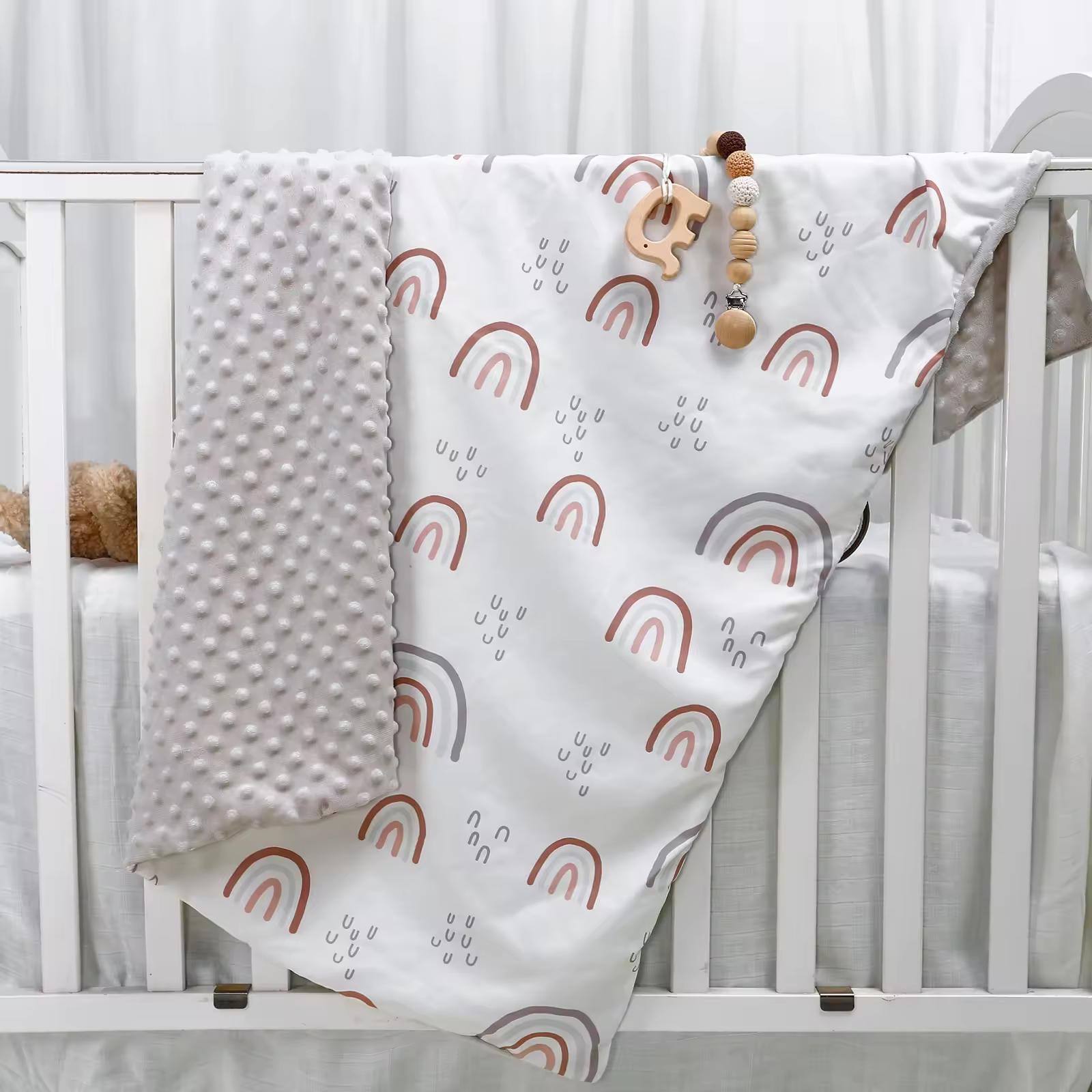
Minky Baby Blankets
Minky fabric features an ultra-soft surface with embossed dot or textured patterns. Many luxury baby brands combine minky with cotton backing for additional comfort.
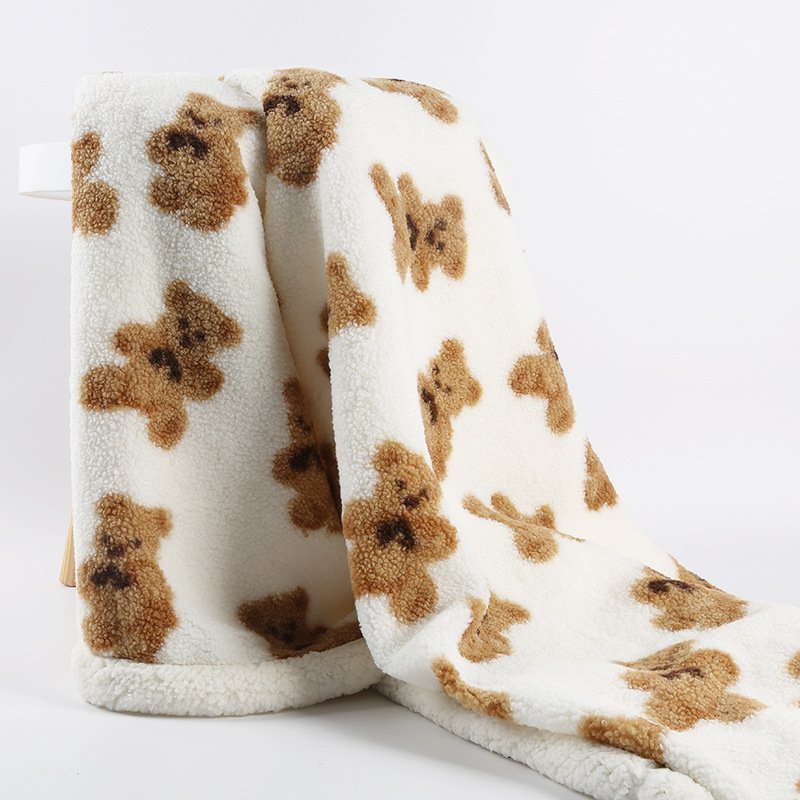
Sherpa Baby Blankets
Sherpa blankets combine a soft outer layer with a fleece-like backing to maximize warmth. These blankets are typically recommended for Winter markets & Outdoor use.
3. Choosing the Right Material for Custom Baby Blanket
Material selection has a direct impact on product performance, manufacturing cost, customer satisfaction, and regulatory compliance.
Rather than asking “Which material is the best?”, buyers should ask:
Which material is best for my target market, price point, and customer expectations?
Below are the most commonly used materials.
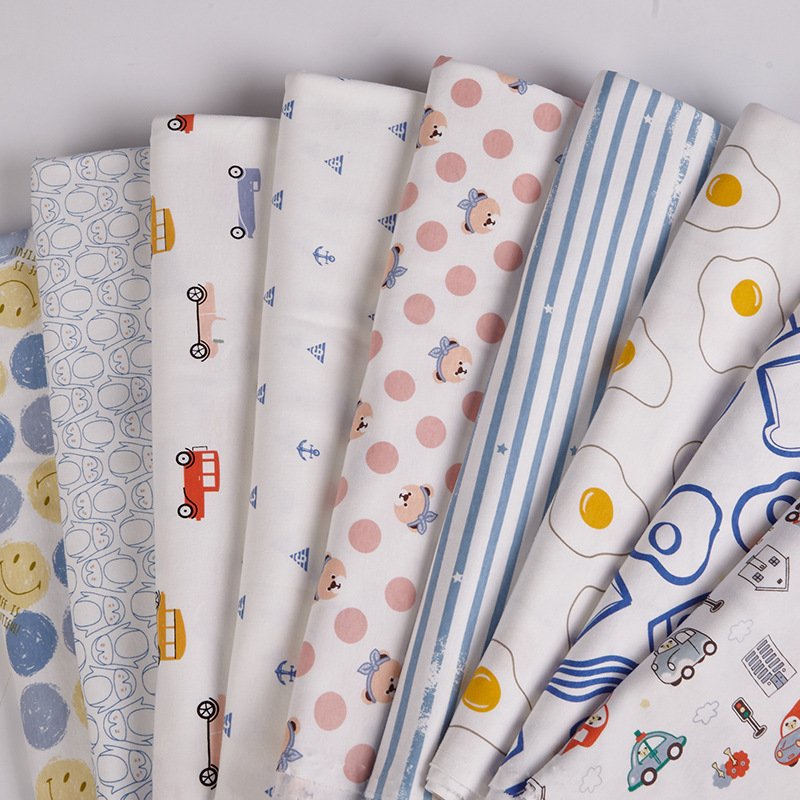
Cotton Fabric
Cotton remains the industry’s most widely used natural fiber. Suitable for both mass-market and premium brands.
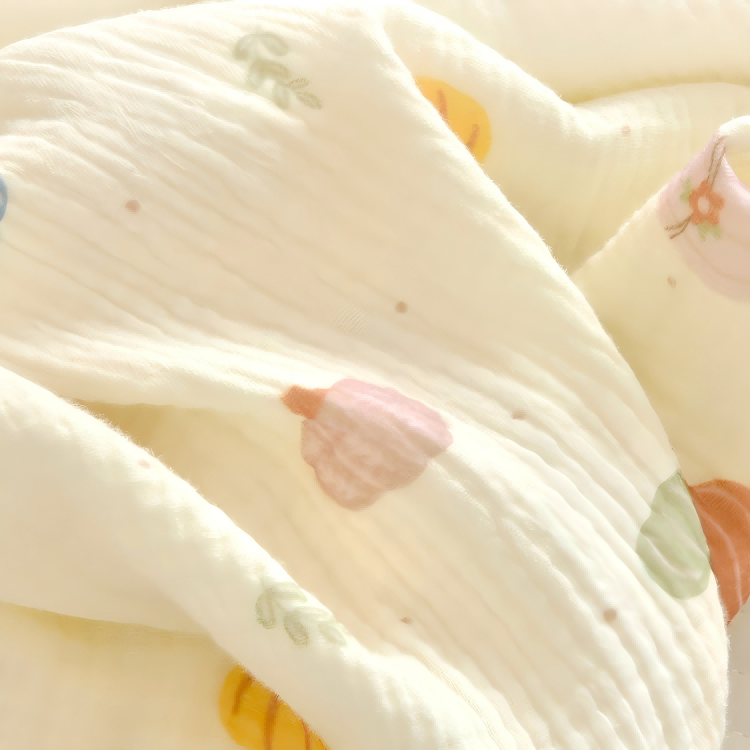
Organic Cotton
Suitable for premium baby brands &Appeals to environmentally conscious consumers
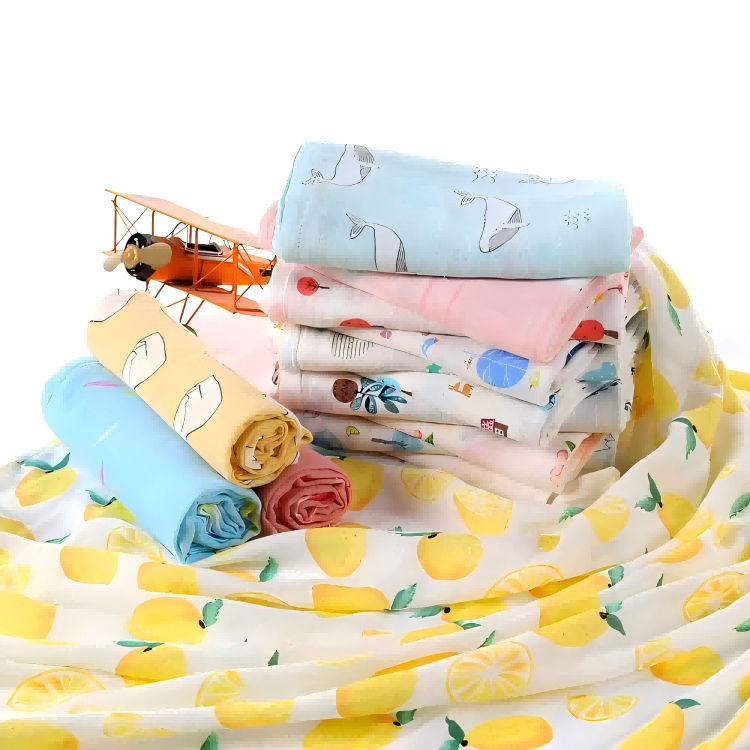
Bamboo Viscose
Bamboo-derived viscose has become increasingly popular due to its silky hand feel and moisture management.
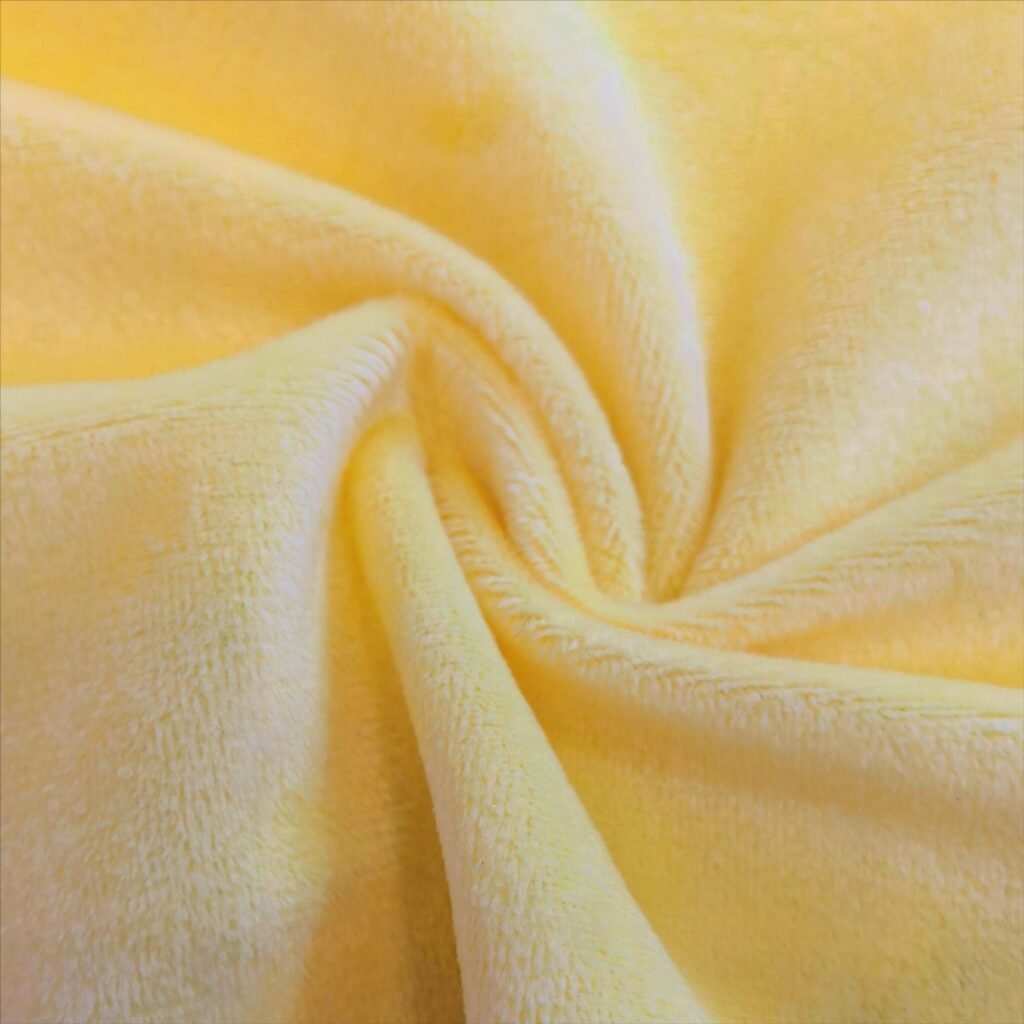
Polyester
Common uses include:
- Coral fleece blankets
- Minky Blanket
- Sharpa Blanket
- Knitted Blanket
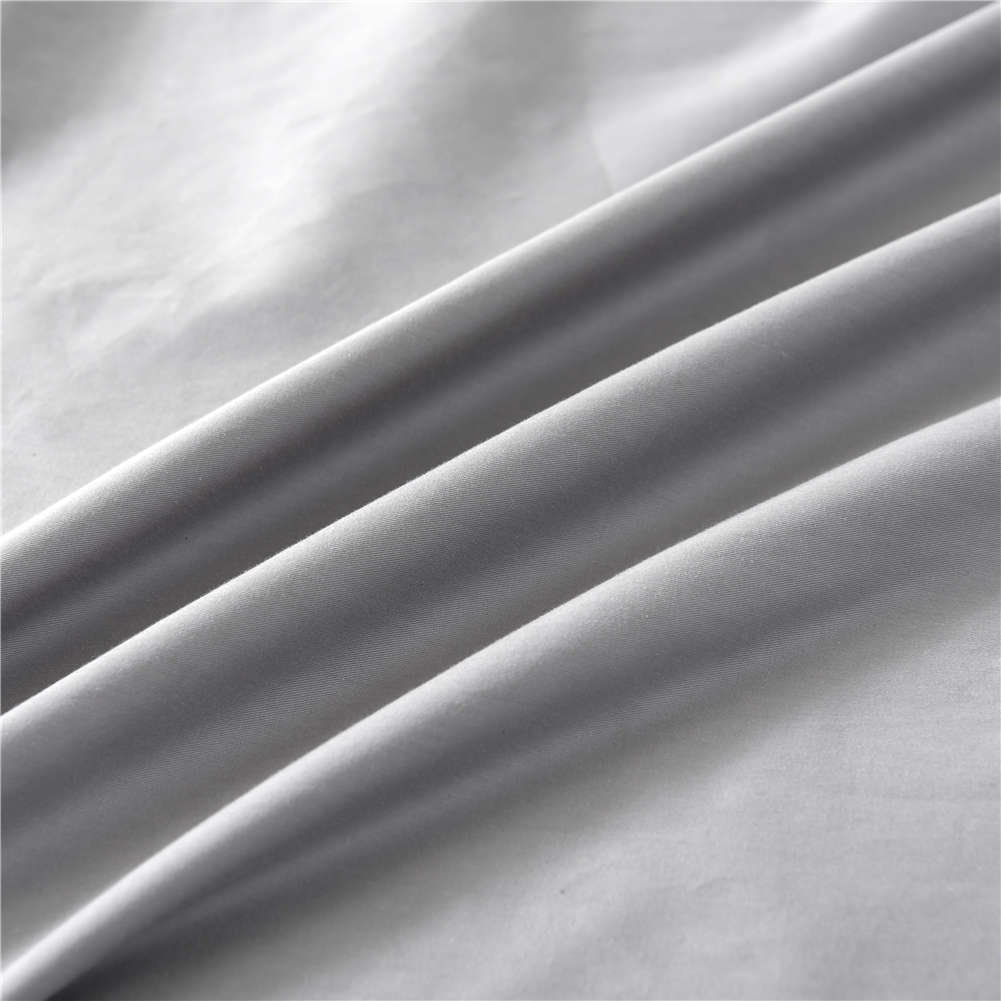
Cotton-Polyester Blends
Combined the strengths of natural and synthetic fibers
often selected for large-volume retail programs where cost efficiency is a priority.
Material Comparison Guide
| Material | Softness | Breathability | Warmth | Durability | Sustainability | Typical Positioning |
|---|---|---|---|---|---|---|
| Cotton | ★★★★☆ | ★★★★★ | ★★★☆☆ | ★★★★☆ | ★★★★☆ | Everyday collections |
| Organic Cotton | ★★★★★ | ★★★★★ | ★★★☆☆ | ★★★★☆ | ★★★★★ | Premium & eco-friendly |
| Bamboo Viscose | ★★★★★ | ★★★★★ | ★★★☆☆ | ★★★☆☆ | ★★★★☆ | Luxury baby brands |
| Coral Fleece | ★★★★★ | ★★☆☆☆ | ★★★★★ | ★★★★★ | ★★☆☆☆ | Winter collections |
| Minky | ★★★★★ | ★★★☆☆ | ★★★★☆ | ★★★★☆ | ★★☆☆☆ | Gift & premium collections |
| Cotton Blend | ★★★★☆ | ★★★★☆ | ★★★☆☆ | ★★★★★ | ★★★☆☆ | Value-focused retail |
Understanding GSM (Grams per Square Meter)
GSM measures fabric weight and is one of the most important specifications when developing custom blankets.
As a general guideline:
- 180–250 GSM: Lightweight summer blankets
- 250–350 GSM: All-season baby blankets
- 350–450 GSM: Warm winter blankets
- 450 GSM and above: Heavyweight premium blankets
Higher GSM does not automatically mean better quality. The ideal GSM depends on the intended use, climate, and fabric type.
For example, a breathable muslin blanket with a lower GSM may provide greater comfort in tropical markets than a heavier fleece blanket.
Matching Materials to Different Markets
Successful product development often depends on regional preferences.
| Market | Recommended Materials | Primary Buying Factors |
|---|---|---|
| North America | Organic Cotton, Bamboo, Minky | Safety, softness, branding |
| Europe | Organic Cotton, Muslin | Sustainability, certifications |
| Australia | Muslin, Lightweight Cotton | Breathability, warm climate |
| Middle East | Muslin, Bamboo | Cooling performance |
| Northern Europe | Coral Fleece, Sherpa | Warmth and durability |
Understanding local consumer expectations allows brands to develop collections that align with market demand while reducing inventory risk.
Expert Tip
Instead of building an entire collection around a single fabric, many successful baby brands create layered product lines:
Entry Level: Cotton essentials
Mid Range: Muslin and cotton blends
Premium: Organic cotton and bamboo
Luxury: Minky and designer knitted blankets
This approach enables brands to serve different customer segments while maintaining a consistent visual identity and improving average order value.
3: Manufacturing Process, OEM vs. ODM, Quality Control & Factory Evaluation
Selecting the right manufacturer goes beyond comparing prices or production capacity. Understanding how baby blankets are made—and how factories manage quality, compliance, and customization—helps buyers reduce sourcing risks and build long-term supplier relationships.
This section explains the complete manufacturing workflow and highlights the key evaluation criteria that every B2B buyer should consider.
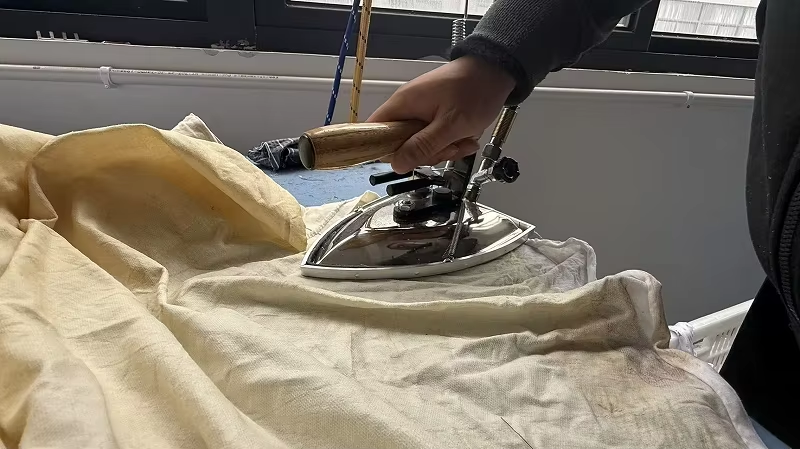
The Custom Baby Blanket Manufacturing Process
Although every factory has its own production workflow, most professional manufacturers follow a structured process designed to ensure product consistency and quality.
Step 1: Product Consultation
Every successful project begins with a detailed discussion between the buyer and the manufacturer.
Typical topics include:
Target market
Product positioning
Blanket dimensions
Fabric selection
GSM requirements
Printing or embroidery methods
Packaging preferences
Estimated order quantity
Target retail price
Required certifications
The more detailed the product brief, the smoother the development process will be.
Buyer Tip
Providing reference photos, technical drawings, Pantone color codes, and competitor samples can significantly reduce product development time.
Step 2: Material Sourcing
After confirming product specifications, the manufacturer sources raw materials from approved suppliers.
Depending on the blanket design, materials may include:
Cotton yarn
Bamboo viscose fabric
Polyester fleece
Organic cotton
Sewing threads
Labels
Packaging materials
Decorative accessories
Professional manufacturers typically maintain long-term relationships with trusted textile mills to ensure stable quality and color consistency.
Step 3: Sample Development
Before mass production begins, manufacturers create development samples for approval.
This stage allows buyers to evaluate:
Fabric quality
Color accuracy
Blanket size
Printing quality
Stitching
Label placement
Packaging
Overall appearance
Most experienced buyers request revisions before approving production samples.
Skipping this step increases the risk of costly production errors.
Step 4: Fabric Inspection
Incoming fabrics should be inspected before entering production.
Typical inspection items include:
Fabric defects
Color consistency
Fabric weight (GSM)
Width
Shrinkage
Surface appearance
Identifying defects early helps avoid production delays and unnecessary material waste.
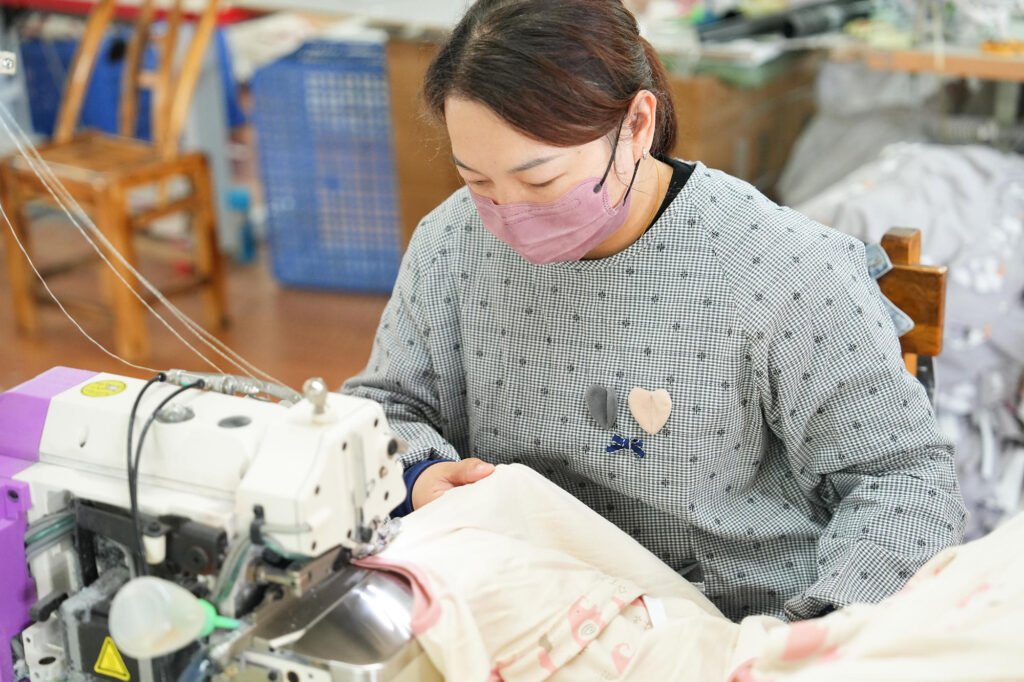
Step 5: Cutting and Sewing
Once materials pass inspection, fabrics are cut according to production patterns.
Modern factories often use automated cutting equipment to improve consistency and reduce material waste.
Sewing operators then assemble each blanket while following standardized quality procedures.
Common sewing operations include:
Edge hemming
Decorative stitching
Binding
Label attachment
Corner reinforcement
Precision during this stage has a significant impact on the product’s durability and appearance.
Step 6: Printing or Embroidery
Customization is often the defining feature of a private-label baby blanket.
Depending on the design, manufacturers may use:
Digital printing
Reactive printing
Pigment printing
Screen printing
Heat transfer printing
Computer embroidery
Jacquard weaving
Each method offers different advantages in terms of color vibrancy, production volume, durability, and cost.
Experienced manufacturers recommend the most suitable technique based on fabric type and artwork complexity.
Step 7: Final Inspection
Before packaging, every production batch should undergo a comprehensive quality inspection.
Inspection usually covers:
Measurements
Stitch quality
Appearance
Fabric defects
Printing accuracy
Embroidery quality
Color consistency
Packaging
Barcode verification
Quantity verification
Factories with mature quality management systems typically perform both inline inspections during production and final inspections before shipment.
Step 8: Packaging and Shipment
Packaging protects products during transportation while reinforcing brand identity.
Common options include:
Polybags
Recyclable paper packaging
Gift boxes
Vacuum packaging
Retail-ready packaging
Custom cartons
Professional manufacturers can also apply barcodes, shipping marks, warning labels, and retailer-specific packaging requirements.
OEM vs. ODM: Which Is Right for Your Business?
One of the first decisions buyers make is choosing between OEM and ODM manufacturing.
Although the terms are often used interchangeably, they serve different business needs.
| Feature | OEM | ODM |
|---|---|---|
| Product Design | Provided by Buyer | Developed by Manufacturer |
| Brand Identity | Fully Customized | Customized Branding |
| Development Time | Longer | Faster |
| Development Cost | Higher | Lower |
| Product Exclusivity | High | Medium |
| Best For | Established Brands | Startups & Growing Businesses |
OEM Manufacturing
OEM (Original Equipment Manufacturing) allows buyers to create unique products based on their own specifications.
Advantages include:
Complete design flexibility
Stronger brand differentiation
Better intellectual property protection
Greater control over product development
OEM is ideal for brands investing in long-term product innovation.
ODM Manufacturing
ODM (Original Design Manufacturing) enables buyers to customize existing products developed by the factory.
Typical customization options include:
Logo labels
Packaging
Colors
Patterns
Size adjustments
Retail branding
ODM shortens development cycles and reduces initial investment, making it an attractive option for new brands entering the market.
Expert Insight
Many successful baby brands begin with ODM collections to validate market demand. As sales grow and customer preferences become clearer, they gradually transition to OEM products that strengthen brand identity and improve long-term competitiveness.
How Professional Manufacturers Control Quality
Quality control should be integrated throughout production rather than treated as a final inspection step.
Leading manufacturers typically implement multiple inspection stages.
Incoming Material Inspection (IQC)
Raw materials are evaluated before production begins.
Inspection includes:
Fabric composition
Color consistency
Weight (GSM)
Surface defects
Supplier documentation
In-Process Quality Control (IPQC)
During production, inspectors monitor:
Stitch density
Sewing quality
Dimension accuracy
Printing alignment
Embroidery quality
Detecting problems early minimizes waste and reduces production delays.
Final Quality Inspection (FQC)
Finished products are inspected before packaging.
Common checkpoints include:
Product dimensions
Fabric appearance
Loose threads
Color variation
Label accuracy
Packaging quality
Shipment Inspection
Many international buyers also request third-party inspections before containers leave the factory.
Independent inspections help verify that production meets agreed quality standards before payment is completed.
Factory Audit Checklist
Choosing the right supplier requires more than reviewing catalogs or websites.
Before placing a large order, buyers should evaluate the factory’s operational capabilities.
Production Capacity
Consider:
Monthly output
Number of production lines
Peak-season capacity
Automation level
A supplier with insufficient capacity may struggle to meet delivery schedules during busy seasons.
Research and Development
A strong R&D team demonstrates that the manufacturer can support product innovation.
Ask whether the factory offers:
New product development
Material recommendations
Trend forecasting
Packaging design assistance
Prototype development
Quality Management System
Look for documented quality procedures covering:
Incoming inspection
Production inspection
Final inspection
Corrective actions
Traceability
Consistent systems are generally more reliable than informal quality practices.
Communication
Clear communication is essential for international sourcing.
Evaluate:
Response speed
English proficiency
Technical knowledge
Problem-solving ability
Project management process
Efficient communication reduces misunderstandings and accelerates product development.
Safety Certifications Buyers Should Look For
Baby products are subject to strict safety expectations because they come into direct contact with infants and young children.
Although certification requirements vary by country and product category, manufacturers should be familiar with internationally recognized testing and compliance standards.
Common certifications and compliance programs include:
OEKO-TEX® Standard 100 (tests textiles for harmful substances)
Global Organic Textile Standard (GOTS) for certified organic textiles
CPSIA compliance for products entering the U.S. market
REACH compliance for products sold within the European Union
ISO 9001 quality management certification
BSCI or Sedex social compliance audits (when required by retailers)
Buyers should confirm which certifications are applicable to their destination market before production begins and request supporting documentation when necessary.
Expert Tip
Rather than asking a supplier, “Do you have certifications?”, ask:
Which certifications apply to my target market?
Can you provide current test reports?
How often are products tested?
Which accredited laboratories do you work with?
Can certifications be renewed for future production batches?
These questions provide a clearer picture of the manufacturer’s compliance capabilities and commitment to continuous quality management.
Key Takeaways
An excellent custom baby blanket manufacturer does more than produce textiles. The right partner combines structured production processes, transparent communication, robust quality control, and market-specific compliance to help brands launch reliable products with confidence.
Before moving to pricing or negotiations, buyers should ensure that a supplier has the systems, expertise, and certifications needed to support long-term business growth.
4: MOQ, Pricing, Lead Time & How to Choose the Right Manufacturer
Once you have identified several potential suppliers, the next step is evaluating whether they can meet your commercial requirements. Product quality is essential, but successful sourcing also depends on minimum order quantities, pricing transparency, production timelines, and supply chain reliability.
Understanding these factors before placing an order can help you avoid unexpected costs, production delays, and communication issues.
Understanding MOQ (Minimum Order Quantity)
MOQ refers to the minimum number of units a manufacturer requires for each order. It is one of the first topics discussed during supplier negotiations because it directly affects production efficiency and unit cost.
There is no universal MOQ for custom baby blankets. Requirements vary depending on the product design, material, manufacturing process, and level of customization.
Typical factors that influence MOQ include:
Fabric type
Color variations
Printing method
Embroidery requirements
Packaging customization
Label and hangtag production
Number of SKUs
For example, a solid-color cotton blanket with a standard woven label usually requires a lower MOQ than a digitally printed bamboo blanket with custom gift packaging.
Why Manufacturers Set MOQs
Many buyers assume that MOQ exists only to increase sales volume. In reality, it is primarily determined by production economics.
Manufacturers must consider:
Raw material purchasing requirements
Fabric dyeing minimums
Printing setup costs
Machine changeover time
Packaging production minimums
Labor efficiency
Small production runs often increase the cost per unit because setup costs are spread across fewer products.
Can MOQ Be Negotiated?
In many cases, yes.
An experienced manufacturer may offer greater flexibility if:
The blanket uses stock fabrics or colors.
Packaging is kept simple.
The buyer plans repeat orders.
Multiple product styles share the same fabric.
The order is part of a long-term sourcing program.
Instead of asking for the “lowest MOQ,” discuss your business goals with the supplier. Many factories are willing to recommend production solutions that balance flexibility with manufacturing efficiency.
Buyer Tip: If you are launching a new brand, ask whether multiple blanket designs can share one production batch. This can reduce inventory risk while still meeting the factory’s production requirements.
Understanding Lead Time
Lead time is the total time required to complete your order, from sample approval to shipment.
Accurate lead time planning helps brands manage inventory, coordinate product launches, and avoid stock shortages during peak sales seasons.
Although timelines vary between factories and product types, a typical project follows this sequence:
| Production Stage | Estimated Time |
|---|---|
| Product consultation | 1–3 days |
| Quotation & specification confirmation | 2–5 days |
| Sample development | 7–14 days |
| Sample revisions (if needed) | 5–10 days |
| Material sourcing | 7–15 days |
| Mass production | 25–45 days |
| Final inspection | 1–3 days |
| Export documentation | 2–5 days |
| Shipping | Depends on destination |
Seasonality also affects production schedules. Many factories experience higher demand before major retail seasons such as Christmas, Black Friday, and back-to-school promotions.
Planning production several months in advance can improve delivery reliability.
What Determines the Price of a Custom Baby Blanket?
Pricing is influenced by far more than fabric cost.
A professional quotation should clearly identify the factors that contribute to the final unit price.
Fabric Selection
Natural fibers, organic materials, and specialty fabrics generally cost more than standard polyester options.
Examples include:
Organic cotton
Bamboo viscose
Merino wool blends
Premium minky fabrics
Blanket Size
Larger blankets require more fabric, which increases material consumption and shipping costs.
Fabric Weight (GSM)
Heavier fabrics use more raw material and often require additional processing time.
Decoration Method
Customization options affect production costs differently.
Typical cost ranking:
Woven labels
Screen printing
Reactive printing
Digital printing
Embroidery
Jacquard weaving
The most suitable method depends on your artwork, order volume, and brand positioning.
Packaging
Custom packaging can significantly increase perceived product value.
Popular options include:
Recyclable paper sleeves
Cotton drawstring bags
Premium gift boxes
Vacuum packaging
Retail-ready cartons
Packaging should align with your target market rather than simply adding cost.
How to Compare Manufacturer Quotations
The lowest quotation is not always the most competitive.
When reviewing supplier proposals, compare the complete package rather than focusing only on unit price.
Consider the following questions:
Does the quotation include packaging?
Are sampling fees refundable?
Are testing costs included?
What Incoterms are used?
Is freight included?
Are labeling and barcode services included?
Does the factory provide quality inspection reports?
Are there additional tooling or setup fees?
A slightly higher quotation may offer greater value if it includes services that would otherwise require separate suppliers.
Understanding International Shipping Terms
International buyers frequently encounter different shipping terms during negotiations.
Understanding these terms helps prevent misunderstandings regarding responsibility and cost.
| Incoterm | Manufacturer Responsibility | Buyer Responsibility |
|---|---|---|
| EXW | Products available at factory | All transportation and export arrangements |
| FOB | Delivery to the departure port and export clearance | Ocean freight, insurance, import procedures |
| CIF | Freight and insurance to destination port | Customs clearance and inland delivery |
| DDP | Complete delivery to buyer’s address | Normally only receives the shipment |
Each option has advantages depending on your logistics capabilities and import experience.
For first-time importers, working with an experienced freight forwarder or choosing a supplier that can support DDP shipments may simplify the process.
How to Evaluate a Manufacturer Beyond Price
Price is only one part of the decision-making process.
Professional buyers usually evaluate suppliers across multiple dimensions.
Production Capacity
Can the factory support your expected growth over the next three to five years?
Ask about:
Monthly production volume
Peak-season capacity
Number of production lines
Backup manufacturing plans
Product Development Capability
A manufacturer with an experienced development team can help refine product ideas and improve manufacturability.
Look for support with:
Fabric recommendations
Cost optimization
Trend analysis
Packaging improvements
Prototype development
Communication Efficiency
Reliable communication often predicts reliable production.
Evaluate:
Response time
Technical knowledge
English communication
Willingness to solve problems
Transparency when challenges arise
Strong communication reduces costly misunderstandings throughout the project.
RFQ Checklist: Information to Prepare Before Contacting a Manufacturer
Providing complete information allows suppliers to prepare more accurate quotations and recommendations.
Before sending an inquiry, prepare:
Product dimensions
Preferred material
Target GSM
Estimated order quantity
Color requirements
Artwork or logo files
Packaging preferences
Target market
Required certifications
Delivery destination
Expected launch date
The more detailed your RFQ, the faster the manufacturer can evaluate feasibility and provide meaningful suggestions.
Common Sourcing Mistakes
Even experienced buyers occasionally encounter avoidable issues.
Some of the most common mistakes include:
Choosing a supplier based solely on price.
Skipping sample approval.
Ignoring certification requirements.
Underestimating production lead times.
Providing incomplete product specifications.
Failing to confirm packaging details.
Overlooking communication quality.
Not planning for peak-season production.
Avoiding these mistakes can significantly improve sourcing efficiency and reduce the risk of costly delays.
Expert Insight
The most successful sourcing partnerships are built on transparency rather than negotiation alone.
Manufacturers perform best when they understand your long-term goals, target customers, and expected sales channels. Likewise, buyers benefit from suppliers who communicate openly about production schedules, technical limitations, and quality expectations.
Viewing your manufacturer as a strategic partner—not just a vendor—often leads to better products, smoother collaboration, and stronger business growth over time.
5: Industry Trends, Frequently Asked Questions & Final Buyer Checklist
Choosing a custom baby blanket manufacturer is not simply about finding a factory capable of producing textiles. It is about selecting a long-term business partner that can support product innovation, maintain consistent quality, and adapt to changing consumer expectations.
As the global baby products market evolves, successful brands are increasingly focusing on sustainability, compliance, supply chain resilience, and product differentiation. Understanding these trends can help buyers make sourcing decisions that remain competitive for years to come.
Future Trends in Custom Baby Blanket Manufacturing
The baby textile industry continues to evolve in response to changing consumer preferences, regulatory requirements, and manufacturing technologies.
The following trends are expected to shape the industry over the coming years.
Sustainable Materials
Parents are becoming more environmentally conscious and are paying closer attention to the materials used in children’s products.
Growing demand is driving increased adoption of:
Organic cotton
Recycled polyester
Bamboo-based fabrics
Eco-friendly packaging
Water-saving dyeing technologies
Manufacturers that invest in sustainable production practices are often better positioned to support brands targeting premium and environmentally conscious markets.
Greater Product Personalization
Consumers increasingly expect products that reflect individual preferences.
Popular customization options now include:
Personalized names
Embroidered birth information
Exclusive illustrations
Seasonal collections
Brand-specific patterns
Limited-edition collaborations
Manufacturers with flexible production capabilities can help brands introduce new collections more quickly and respond to changing market trends.
Digital Manufacturing
Modern textile factories are investing in automation and digital technologies to improve efficiency and consistency.
Examples include:
Automated fabric cutting
Digital printing systems
Computerized embroidery
Real-time production monitoring
Digital quality management
Smart warehouse systems
These investments can contribute to shorter lead times, improved product consistency, and more reliable production planning.
Stronger Compliance Expectations
Retailers and consumers continue to expect greater transparency throughout the supply chain.
As a result, manufacturers are increasingly strengthening their capabilities in:
Product testing
Material traceability
Social compliance
Environmental management
Quality documentation
Working with suppliers that maintain clear documentation and established management systems can simplify compliance for international buyers.
Frequently Asked Questions
What is the ideal MOQ for a startup baby blanket brand?
There is no universal MOQ. The appropriate quantity depends on the blanket design, fabric, customization requirements, and the manufacturer’s production capabilities. New brands often benefit from discussing flexible production options rather than focusing only on achieving the lowest possible MOQ.
Which material is best for premium baby blankets?
There is no single “best” material. Organic cotton, bamboo viscose, and high-quality muslin are widely chosen for premium collections because they offer comfort, breathability, and strong consumer appeal. The ideal choice depends on your target market and product positioning.
How long does custom production usually take?
A typical custom project—from sample approval to completed production—often requires several weeks, with additional time needed for international shipping. Actual timelines vary according to order complexity, production schedules, and seasonal demand.
Should I choose OEM or ODM manufacturing?
OEM is generally more suitable for established brands seeking exclusive products and complete design control.
ODM is often a practical option for startups or businesses that want to reduce development time while still customizing branding and packaging.
What certifications should I request?
Certification requirements depend on your destination market and product specifications.
Buyers should confirm applicable safety, textile, and regulatory requirements before production begins and request supporting documentation where appropriate.
How can I evaluate whether a factory is reliable?
Beyond pricing, evaluate:
Communication quality
Production capacity
Product development capability
Quality management procedures
Export experience
Customer references
Compliance documentation
Long-term reliability is typically built on consistent performance rather than a single successful order.
Can one manufacturer produce multiple baby textile products?
Many established manufacturers produce a broad range of complementary products, such as baby blankets, bedding sets, muslin products, hooded towels, sleeping bags, and nursery accessories. Consolidating production with a capable supplier may simplify quality management and logistics.
What information should I prepare before requesting a quotation?
Providing detailed specifications—including dimensions, materials, estimated order quantities, customization requirements, packaging preferences, and destination market—helps suppliers prepare more accurate quotations and production recommendations.
Buyer Checklist Before Selecting a Manufacturer
Use the following checklist when comparing potential manufacturing partners.
Product Development
Product specifications clearly defined
Target market identified
Materials selected
Packaging requirements confirmed
Manufacturing Capability
Relevant production experience
Adequate production capacity
Sample development process available
OEM and/or ODM services offered
Quality Assurance
Documented quality control procedures
Material inspection process
Final inspection before shipment
Product traceability system
Compliance
Market-specific testing requirements understood
Appropriate certifications available
Compliance documentation maintained
Business Partnership
Responsive communication
Transparent quotations
Realistic lead times
Long-term cooperation mindset
Completing this checklist before placing an order can reduce sourcing risks and improve the likelihood of establishing a successful manufacturing partnership.
Final Thoughts
Selecting the right custom baby blanket manufacturer is a strategic decision that extends beyond product sourcing. The most successful partnerships are built on shared quality standards, transparent communication, reliable production systems, and a commitment to continuous improvement.
Rather than evaluating suppliers based on price alone, consider their ability to support your business as it grows. A manufacturer with strong technical expertise, flexible customization capabilities, consistent quality management, and experience serving international markets can become a valuable long-term partner.
As your product range expands—from baby blankets to bedding, muslin essentials, hooded towels, sleeping bags, and other nursery textiles—a trusted manufacturing partner can help streamline development, maintain consistent quality, and strengthen your brand’s reputation across multiple markets.
If you are currently evaluating suppliers, begin by defining your product requirements, target market, and long-term business objectives. A structured sourcing process will help you identify partners that not only meet today’s production needs but also support your future growth.
Continue Learning
To deepen your understanding of baby textile sourcing and manufacturing, you may also find these guides helpful:
What Is a Custom Baby Blanket Manufacturer?
How to Choose a Baby Blanket Manufacturer
OEM vs. ODM Baby Blanket Manufacturing
How Are Custom Baby Blankets Made?
Top Baby Blanket Manufacturers in China
Together, these resources provide a comprehensive knowledge base for brands seeking to develop safe, high-quality, and competitive baby textile products.
Share:
Categories
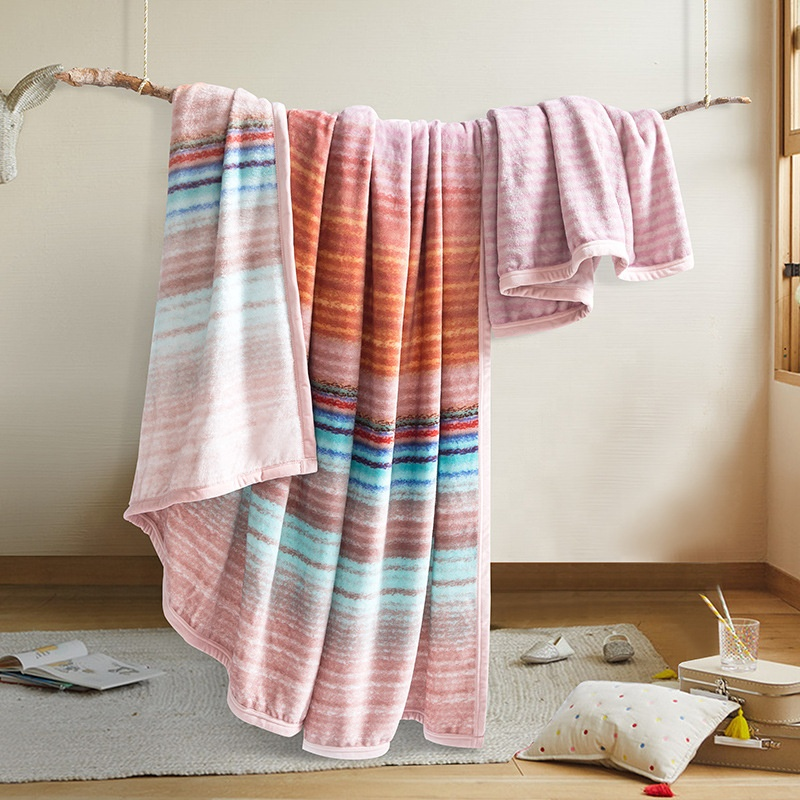
Blanket & Throw
Pillows & Cushion

Bedding Set
Mattress Topper
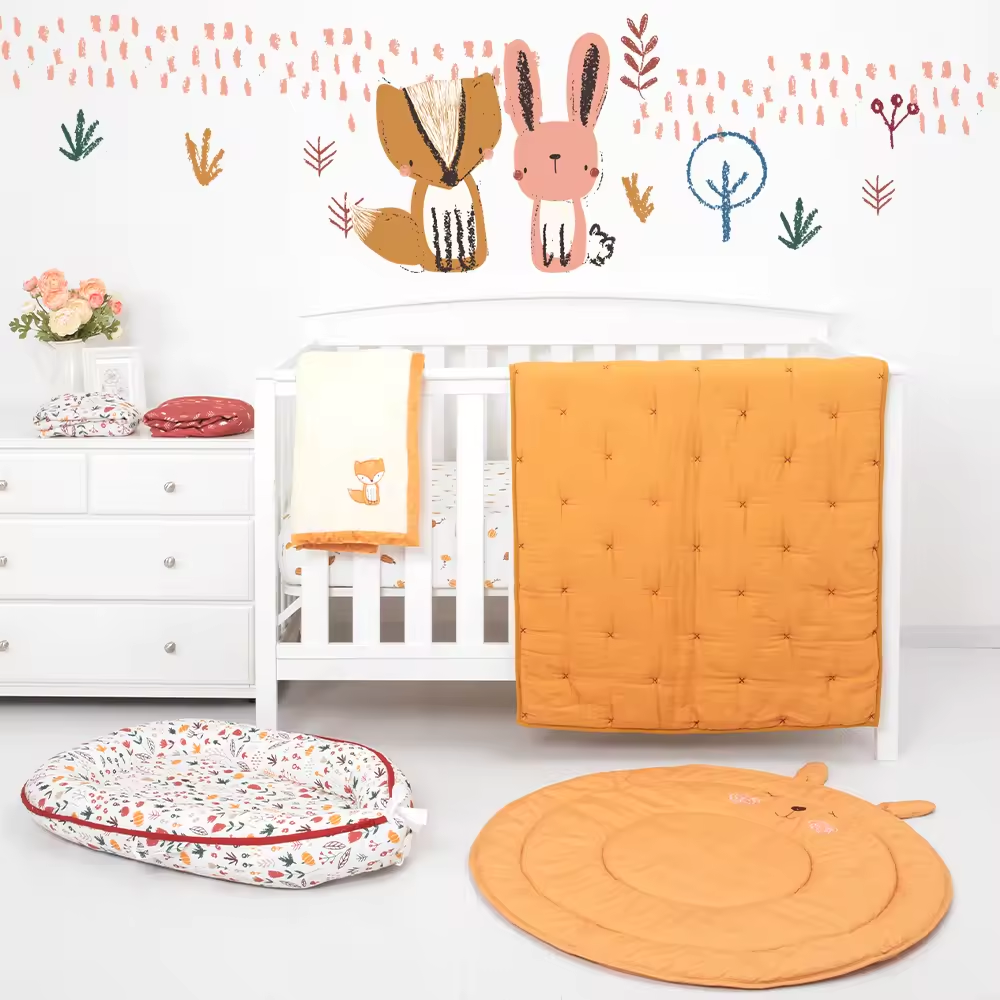
Kid Bedding